
Better mental health environments are created when different forms of expertise come together
DiMHN-NA is a multidisciplinary community working to improve the quality of mental health care environments across North America.
We bring together people with lived experience, clinicians, architects and designers, health systems and facilities professionals, researchers and academics, manufacturers, suppliers, and other industry partners.
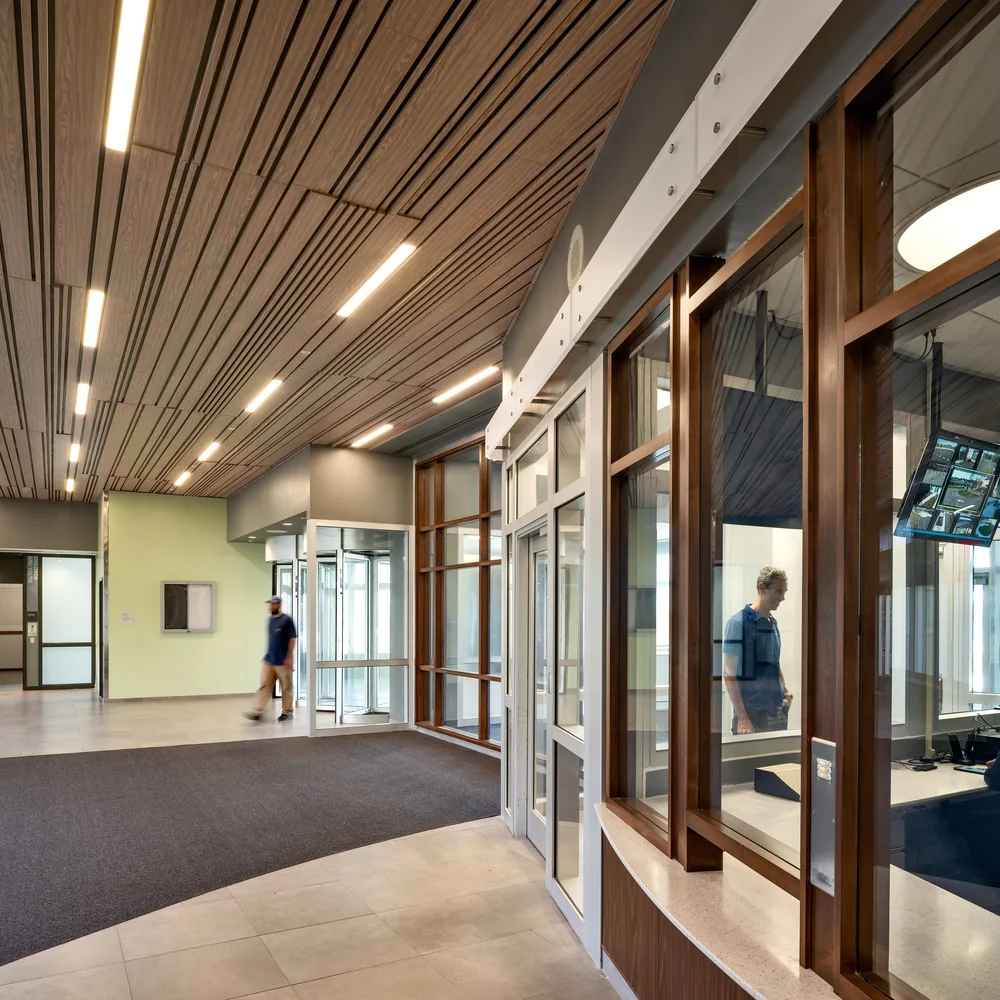
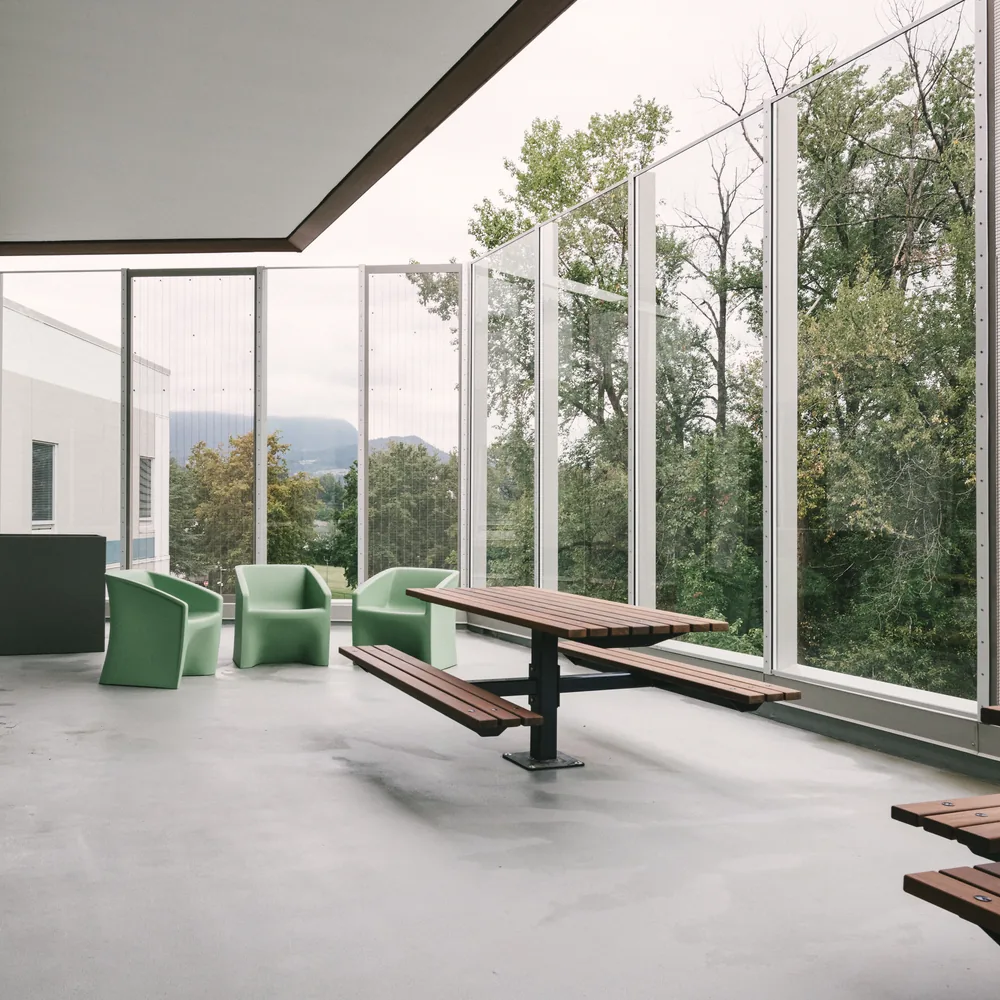
Our mission
Mental health care environments have to respond to complex and sometimes competing needs.
They need to support patient and staff safety. They need to work operationally. They need to respond to risk. They need to support different models of care and different people at different moments.
But they should also protect dignity, enable appropriate choice and autonomy, support human connection, and create the conditions in which recovery can happen.
We do not believe these considerations should be separated.
DiMHN-NA exists to bring together the people who understand different parts of that challenge so they can learn from one another, challenge assumptions, and help improve the decisions that shape mental health care environments.
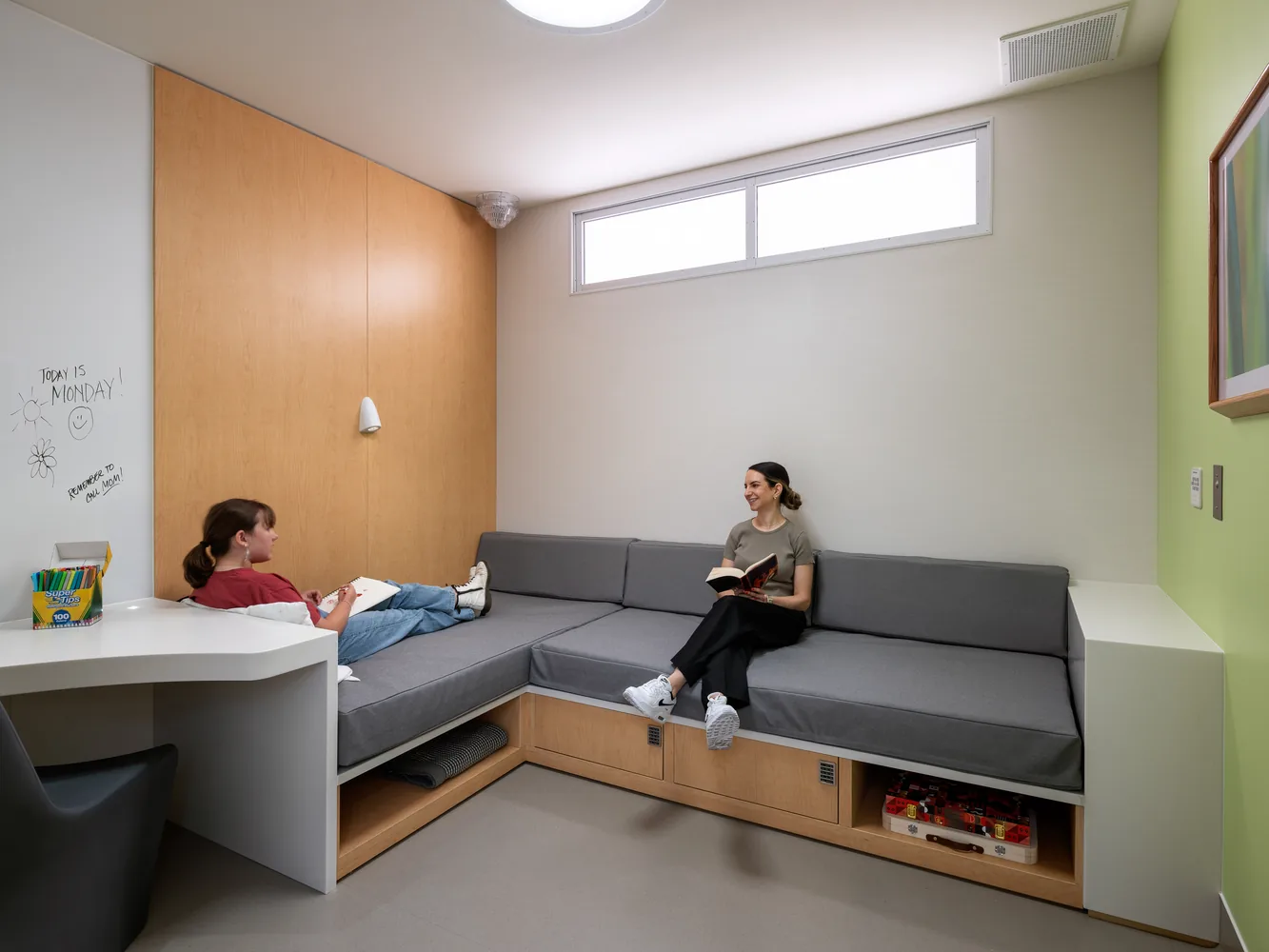
What should a mental health care environment communicate?
The smallest design decisions can carry meaning.
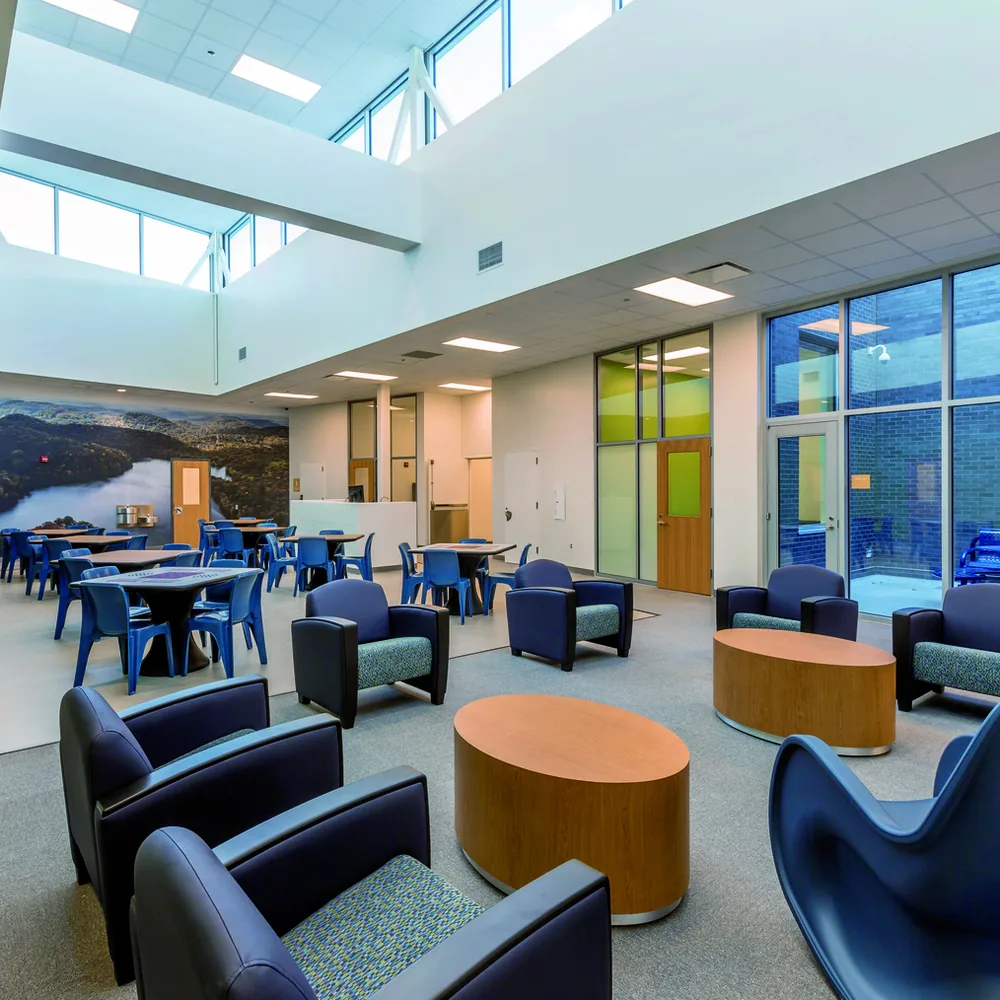
A door can communicate safety or confinement. A private space can provide dignity or create isolation. A view outdoors can offer connection. The ability to control lighting, sound, or where to sit can become meaningful when other choices are limited.
Design cannot solve every challenge facing mental health care. But it can either support the people, relationships, and models of care within an environment, or make their work harder.
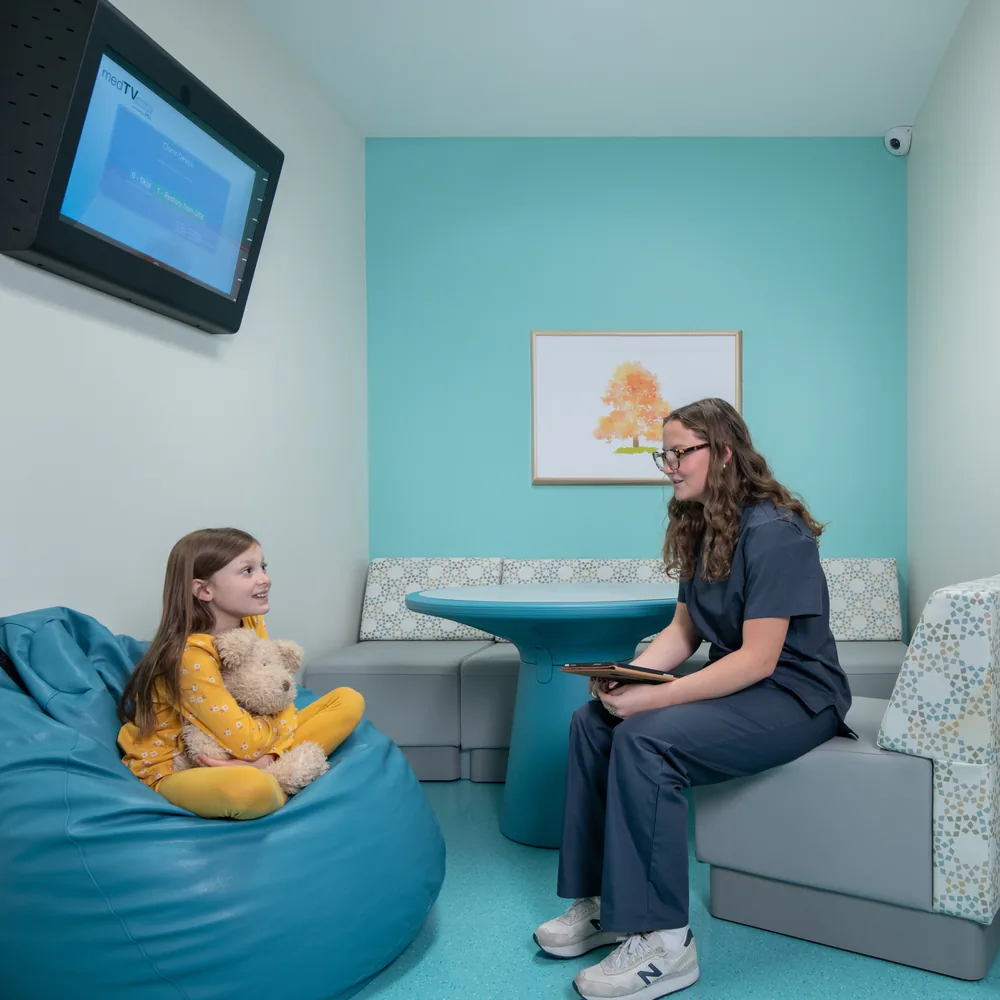
Our approach
Patient and staff safety are fundamental.
Mental health care environments require serious consideration of environmental and clinical risk, including ligature risk reduction, observation, durability, and operational safety.
But a singular focus on risk can have unintended consequences.
We believe better conversations ask how environments can reduce risk while also supporting dignity, recovery, privacy, connection, and agency.
There is rarely one perfect solution for every person, population, or setting. Good decisions require an understanding of context.
People with lived experience bring expertise that cannot be recreated through professional knowledge alone.
Their contribution should not begin when a finished design is presented for comment.
Meaningful co-production means involving people early enough to influence the questions being asked, the priorities being set, and the decisions being made. It means creating respectful and trauma-informed ways to participate and showing people how their contribution affected the outcome.
It also means recognizing that lived experience is not a single perspective.
Experiences differ. Needs differ. Language preferences differ. The experience of receiving care is not interchangeable with the experience of a family member, caregiver, clinician, or designer.
All can contribute important knowledge. None should be expected to speak for another.
- A clinician may understand how a space affects care delivery.
- A person with lived experience may recognize something about dignity, fear, control, or belonging that others have missed.
- An architect may see how those needs can be translated spatially.
- A facilities leader may identify how a decision will perform operationally over time.
- A manufacturer may be able to develop a better response to an unmet need.
- A researcher may help distinguish assumption from evidence or see patterns before they become problems.
Better environments emerge when these perspectives can inform one another. DiMHN-NA exists to help create those connections.
Evidence matters when it changes what happens in practice.
We want DiMHN-NA to be a place where people can share knowledge, examine emerging evidence, discuss projects, learn from lived and professional experience, and explore what different approaches mean in real mental health care environments.
We are interested not only in what worked. We also need to learn from what did not, what remains uncertain, and what questions still need answering.
Who we are here for
Our Network welcomes people involved in creating, operating, delivering care in, supplying, studying, or experiencing mental health care environments. That includes:
- Mental health clinicians
- People with lived experience
- Architects, interior designers, and planners
- Health systems, owners, and facility leaders
- Facilities, operations, and maintenance professionals
- Manufacturers, suppliers, and industry partners
- Researchers and academics
- Consultants, policymakers, and other decision-makers
Our members may bring very different expertise. Our ultimate purpose, however, goes beyond membership.
We want better environments for the people who receive care, the people who support them, and the people who work in these environments every day.
Our relationship with Design in Mental Health Network in the UK
DiMHN-NA has developed in collaboration with the UK’s Design in Mental Health Network, which has built a multidisciplinary community around the relationship between mental health, human experience, and the built environment.
Our organizations have established a partnership for coordinated action, mutual support, and shared intellectual property. That relationship creates opportunities to exchange knowledge and learn from established resources and experience.
At the same time, North America has distinct healthcare systems, regulatory environments, clinical practices, cultural contexts, and design challenges. Our role is therefore not simply to replicate the UK organization.
We are building a North American community that can learn internationally while developing its own conversations, partnerships, priorities, and practice.
Keep up with the Network
Follow us on LinkedIn for Network updates, and join the mailing list for events, research and news from across North America.
We use Mailchimp to send Network updates. You can unsubscribe at any time. See our Privacy Policy.
Our leadership

Meet our Chair, Francis Murdock Pitts
Francis Murdock Pitts, FAIA, FACHA, OAA, is widely recognized as a leading planner and designer of mental health facilities and has helped shape a new generation of mental health care environments.
Frank is the founding partner of architecture+ and has served as President of both the American Institute of Architects’ Academy of Architecture for Health and the American College of Healthcare Architects.
Across his career, he has consulted on more than 200 mental health projects involving more than 25,000 beds in clinical settings throughout the United States and Canada.
His contribution to healthcare design has been recognized with the Center for Health Design’s Changemaker Award, the Healthcare Facilities Symposium & Expo Founder’s Award, and the American College of Healthcare Architects’ Lifetime Achievement Award.
As Chair of DiMHN-NA, Frank helps guide a Network focused not simply on good intentions in design, but on creating environments that offer more meaningful and successful opportunities for healing and recovery.
Why a Network?
The quality of a mental health environment is shaped by hundreds of decisions: clinical, architectural, operational, financial, technical, and human. Progress happens when knowledge moves across those boundaries.
DiMHN-NA provides a place to ask better questions, hear perspectives that might otherwise be missing, share learning, and build relationships across mental health design.
Shared purpose.
Better environments.
Be part of the Network
If you care about the environments where mental health care happens, we invite you to contribute your perspective.
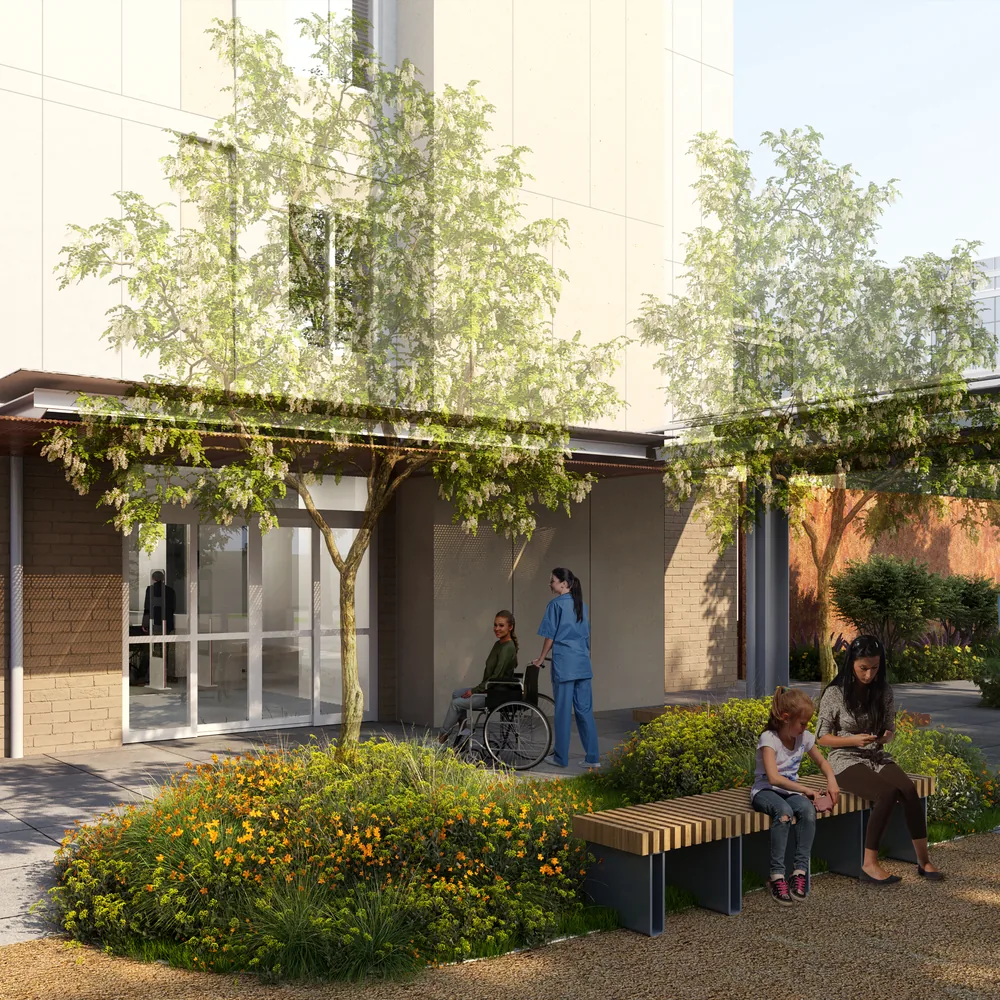
Join a growing community committed to advancing environments that support safety and dignity, care and connection, autonomy and recovery.